


Creating space for human messiness in the age of synthetic intelligence.
Our identity isn't universal, and consent isn't a given. When we talk about AI governance, responsible AI design, and ethical AI architecture, it often sounds like a dry policy paper. But what we are actually negotiating is whether a person gets to stay a guaranteed human — always a little messy, contradictory, and unpolished. Does our identity change as it is continuously modeled and predicted? What happens when synthetic intelligence learns from me and shapes how I understand myself? Who decides which version of me remains? I'm Rebecca E. Chandler — a Responsible AI Architect. I design structures that listen transparently, disclose intent, and protect human authorship. I developed Narrative Consent as a framework to ensure personhood doesn't become a toggle feature buried in AI architecture or a terms-of-service checkbox. I doubt machines will become human. But I am not as certain that humans will avoid behaving like machines — absent all the messy human experiences that come from independent thought. Will AI serve as a tool, or as a surrogate for our agency? Let's get awkward and find out.
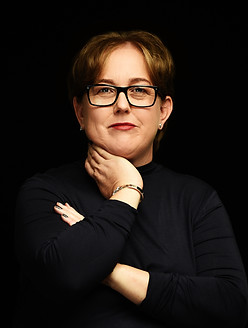
I'm a Responsible AI Architect asking the awkward questions to keep human messiness at the heart of AI systems design.
Narrative Consent in Practice
Narrative Consent is not a philosophy exercise. It is a design constraint.
It asks one question before anything else gets built: does the person whose story this is know it's being used, and did they actually agree to that?
In practice, that looks like this:
-
In product development — it means writing consent requirements into the brief before the feature goes to engineering, not as a legal checkbox at the end.
-
In policy work — it means auditing existing data practices against a simple standard: would the person whose data this is recognize themselves in how it's being described and used?
-
In governance frameworks — it means building the question "who owns this narrative?" into every stage of the review process, from intake to deployment.
I've done this inside global organizations with dozens of markets, competing legal frameworks, and stakeholders who do not agree on what "consent" means. The frameworks hold. The awkward questions are the point.


